
The "Wolff’s Law" Deep Dive
How Mechanotransduction
Shapes Your Stature
Date Published: May 08, 2026 | Time to Read: 9-10 Minutes
The Plasticity of Bone
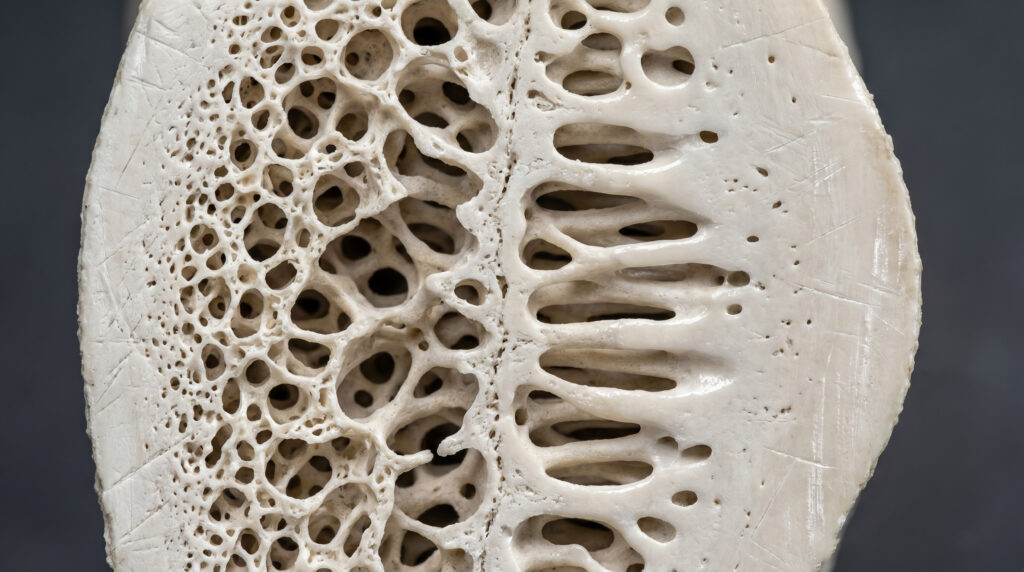
The prevailing myth in modern health is that the human skeleton is a static, finished product by age 21. We are taught that once the epiphyseal plates ossify, our vertical potential is locked away. However, in the fields of orthopedic biomechanics and mechanobiology, we recognize the skeleton as a “plastic” organ; one that is constantly being reshaped, reinforced, or diminished based on the mechanical environment it inhabits. To understand how to reclaim and optimize your height, you must understand the two laws that govern bone life: Wolff’s Law and Mechanotransduction.
The Mechanical Blueprint (Wolff’s Law)
The Law of Functional Adaptation
In 1892, Julius Wolff proposed a law that remains a cornerstone of orthopedic surgery today: Bone in a healthy person or animal will adapt to the loads under which it is placed. This isn’t just a theory; it is a mechanical certainty.
If the loading on a bone increases, the bone will remodel itself over time to become stronger and denser to resist that load. Conversely, if the loading on a bone decreases, the bone becomes less dense and weaker. This is why astronauts lose bone mass in zero gravity; their bodies “decide” the extra bone isn’t necessary for the environment.
The Gravity Trap vs. The Tension Opportunity
For the average modern professional, the “load” being placed on the skeleton is almost entirely compressive.
The Gravity Trap: 24/7 gravitational force combined with sedentary “seated” compression signals the body to prioritize density and stability over length. The bone architecture becomes “compacted.”
The Tension Opportunity: When we introduce longitudinal tension (the opposite of compression), we change the “functional requirement” of the bone. By applying precise, mechanical traction through the CorHeight protocol, we are signaling to the skeletal system that the environment now requires vertical expansion and structural lengthening rather than just density.
The Periosteal Response
The surface of your bone is covered by a thin, incredibly tough, and highly vascularized membrane called the periosteum. This membrane is where the magic of “remodeling” happens.
Tensile Loading: When traction is applied, it creates a “pulling” force on the periosteum.
Signaling: This tension triggers the underlying bone-building cells. Under Wolff’s Law, the body sees this tension as a “load” that must be balanced by the deposition of new bone matrix. You aren’t just stretching the bone; you are asking the bone to rebuild its architecture in an elongated state.
The Cellular Engine (Mechanotransduction)
Turning Physics into Biology
Mechanotransduction is the biological process that explains how the mechanical stretch of the CorHeight system becomes a physical growth signal in your cells.
Your bone cells (specifically osteocytes and osteoblasts) act like tiny “pressure sensors.” They are embedded in a fluid-filled matrix. When you apply tension to the spine and long bones, it creates fluid shear stress within the bone’s internal canals (lacunocanalicular system).
The Three Stages of the Growth Signal:
Mechanocoupling: The physical traction stretches the cell membrane.
Biochemical Coupling: This stretch opens “mechanosensitive ion channels.” Calcium and other signaling molecules flood into the cell, acting as a “green light” for growth.
The Effector Response: The cell begins producing Type I Collagen and signaling for the deposition of calcium and phosphate; the literal building blocks of bone.
The Interstitial Space & Disc Expansion
The "Hydraulic" Spine
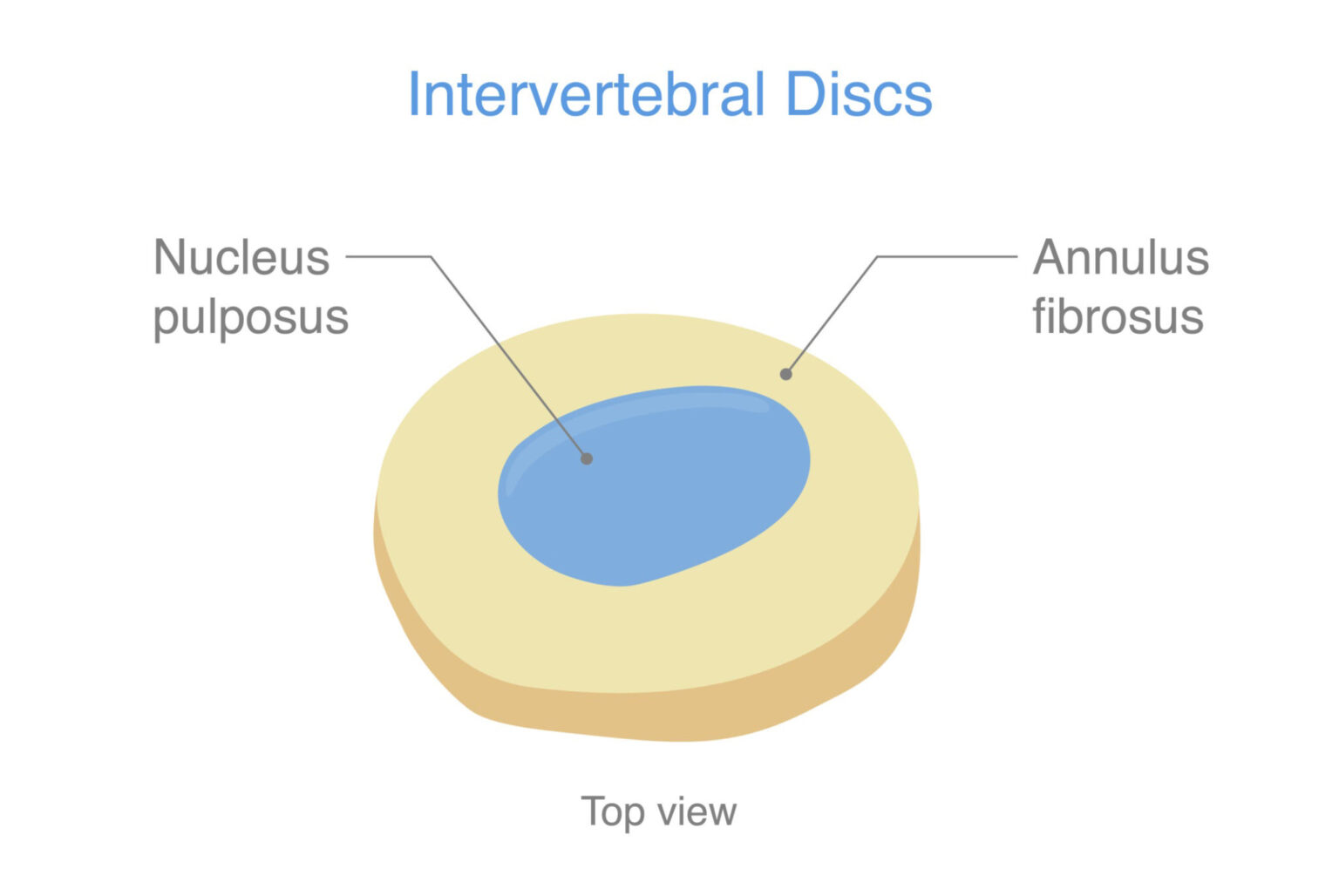
Between every vertebra in your spine lies an intervertebral disc. These discs aren’t just shock absorbers; they are the “hydraulic lifts” of your stature. Each disc is composed of a tough outer ring (annulus fibrosus) and a jelly-like center (nucleus pulposus) that is roughly 80% water.
The Diurnal Shrinkage Cycle
Due to gravity, every human experiences a phenomenon known as diurnal height loss. Throughout the day, the weight of your body squeezes fluid out of these discs. By the time you go to bed, you are physically shorter—often by as much as 1 to 2 centimeters—than when you woke up.
The Problem: In a modern sedentary lifestyle, we rarely give our bodies the corrective force needed to fully “re-inflate” these discs. Over years of sitting, this fluid loss becomes chronic, leading to permanent disc thinning and height loss.
The "Vacuum Effect" of Mechanical Decompression
The Corheight system utilizes Axial Traction to reverse this process. By applying a controlled, vertical pull, we create a negative intradiscal pressure.
Pressure Drop: As the vertebrae are gently pulled apart, the pressure inside the disc drops below atmospheric levels.
Imbibition: This negative pressure creates a “vacuum effect” that sucks nutrient-rich fluids and oxygen back into the nucleus pulposus.
Expansion: As the disc rehydrates, its vertical height increases. When this is done consistently, the surrounding ligaments and fascia adapt to this “new” height, locking in the gains through viscoelastic expansion.
The Epiphyseal Reality & Cortical Remodeling
Closed Growth Plates: The Final Frontier
A major point of skepticism involves the epiphyseal plates (growth plates). While it is true that primary longitudinal growth slows once these plates ossify, the skeleton does not stop growing; it switches to appositional growth and cortical remodeling.
Through the sustained application of mechanical tension, we target the Periosteal Surface. By stimulating the membrane surrounding the bone through tension, we trigger Osteoblastic Activity—the creation of new bone cells. This allows for a structural optimization of the skeleton that is not dependent on the traditional “growth spurts” of puberty. We are effectively utilizing the body’s natural repair and maintenance mechanisms to prioritize vertical integrity.
Conclusion: The Convergence of Biology and Intent
The journey from Wolff’s Law to Mechanotransduction reveals a profound truth about the human body: you are not a fixed entity, but a biological process. The “Digital Hunch” and gravitational collapse are not inevitable destinies; they are simply the body’s adaptation to a specific set of modern environmental pressures.
By introducing Corheight’s systematic mechanical traction, you are doing more than just stretching muscles. You are:
Rewriting the Signal: Shifting your skeletal system from a state of chronic compression to one of intentional tension.
Hydrating the Foundation: Utilizing the “vacuum effect” to restore the vertical volume of your intervertebral discs.
Activating the Cellular Engine: Triggering the osteoblasts and mechanoreceptors that manage bone remodeling and structural integrity.
True stature is not gained through a single “stretch,” but through the consistent application of these biological laws. When you provide the right mechanical environment, your body has no choice but to follow the blueprint of its own optimization. You have the tools, and now you have the science. It is time to let your biology work for you, rather than against you.
Scientific References & Further Reading
-
1. Wolff’s Law and Structural Adaptation: Frost, H. M. (1994). Wolff’s Law and bone’s structural adaptations to mechanical usage. The Anatomical Record.
-
[Focus: The definitive guide on how bone shapes itself based on the tension and pressure it experiences].
-
-
2. On Mechanotransduction (The Growth Signal): Ingber, D. E. (2006). Cellular mechanotransduction: putting all the pieces together again. FASEB Journal.
-
[Focus: Explaining how physical tension turns into biological growth signals at the cellular level].
-
-
3. On Disc Height Restoration: Apfel, C. C., et al. (2010). Restoration of disk height through non-surgical spinal decompression. BMC Musculoskeletal Disorders.
-
[Focus: Clinical evidence that mechanical decompression significantly increases spinal height by increasing disc volume].
-
-
4. On Adaptive Muscle Shortening: Singhvi, P. M., et al. (2024). A Cross-sectional Study on Association of Iliopsoas Muscle Length with Lumbar Lordosis Among Desk Job Workers. Indian Journal of Occupational and Environmental Medicine.
-
[Focus: Proving that sedentary lifestyles physically shorten the psoas and distort the height-optimized posture of the spine].
-
-
5. On Forward Head Posture Mechanics: Hansraj, K. K. (2014). Assessment of stresses in the cervical spine caused by posture and position of the head. Surgical Technology International.
-
[Focus: Quantifying the massive compressive forces exerted on the spine by modern postural habits].
-