
The Epiphyseal Reality
The Under 24 Advantage:
Optimizing the Epiphyseal Plate for Natural Bone Elongation
Date Published: April 30, 2026 | Time to Read: 7 Minutes
Is the Window Truly Closed?
The most common myth in human biology is that height is “locked in” the moment you hit puberty. While it is true that your rate of growth slows down, the biological window for skeletal elongation often remains cracked open much longer than people realize; sometimes into the early 20s.
If you are under 24, you are in a high stakes race against time. The goal isn’t just to “wait and see” how tall you get; it’s to ensure that the environment surrounding your growth plates is physically optimized to allow for every possible millimeter of elongation.
Understanding the Epiphyseal Plate
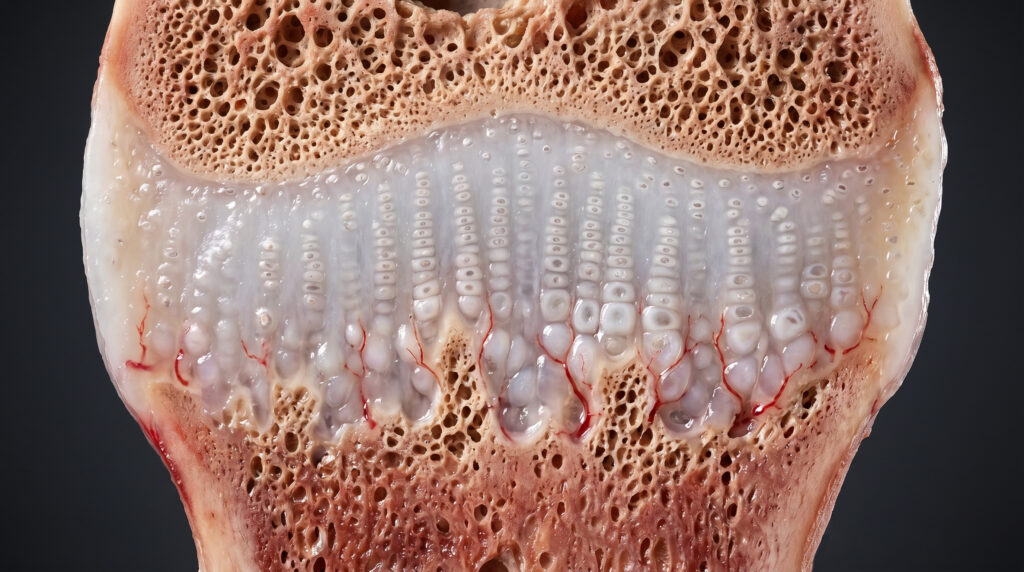
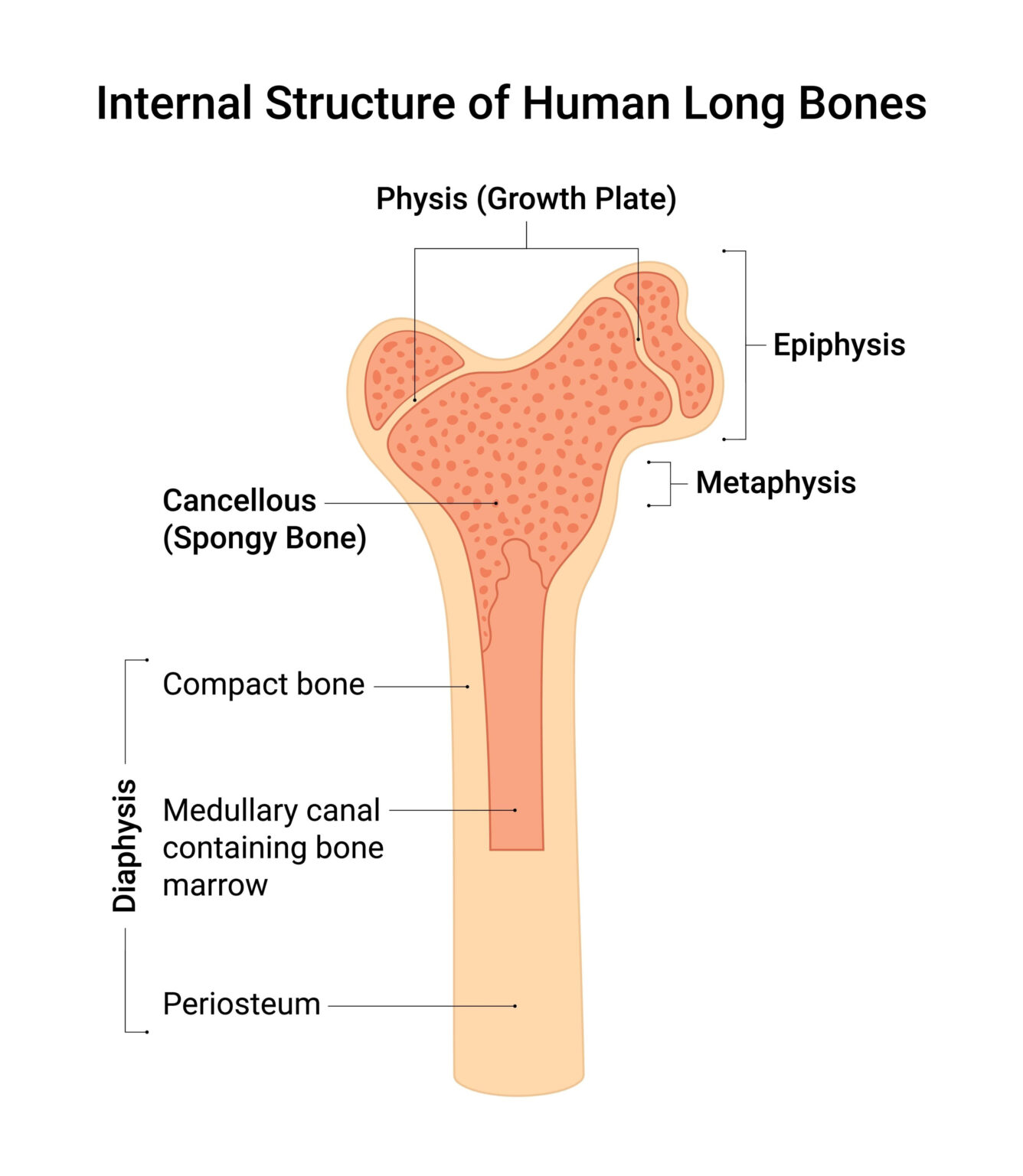
At the ends of your long bones (like the femur and tibia) are specialized areas of cartilage known as Epiphyseal Plates (Growth Plates). These plates are the “engines” of your height. They work by creating new cartilage, which is then gradually calcified into hard bone.
However, these plates are highly sensitive to mechanical pressure. According to the Hueter-Volkmann Law, increased compression on a growth plate inhibits its activity, while reduced pressure (tension) can actually accelerate its growth potential.
The "Clamping" Effect of Soft Tissue
Why do some people stop growing even when their plates aren’t fully ossified (turned to bone)? Often, it’s not because the bone “ran out” of energy, but because the surrounding connective tissues—the fascia, ligaments, and tendons—have become too tight.
Think of it like a plant trying to grow inside a glass jar. The plant has the biological drive to get taller, but the physical constraints of the jar stop it. In your body:
Tight Fascia: Acts as a restrictive sleeve around the bone.
Gravitational Loading: Constant standing and sitting “clamp” the plates shut.
Poor Mobility: Limits the nutrient-rich blood flow needed for cartilage production.
Creating the "Open Path"
The CorHeight philosophy for the under 24 user is simple: Remove the constraints.
By using targeted mechanical decompression, we are essentially “lifting the lid” off the growth plate. This doesn’t just feel better; it changes the signaling of the cells. When the physical pressure is removed, it triggers mechanotransduction—the process where your cells detect the lack of “clamping” and signal the epiphyseal cartilage to continue expanding.
The Mechanics of Remodeling
Mechanotransduction and Bone Remodeling
Your bones are not static “poles”; they are dynamic organs that constantly reshape themselves based on the physical stress they receive. This process is governed by Wolf’s Law and Mechanotransduction.
When you apply a specific vertical tension through decompression, your bone cells (osteocytes) “feel” that force. They convert that physical signal into a biochemical response that encourages the deposition of new bone minerals.
The Remodeling Cycle: By stretching the periosteum (the thin layer of tissue covering your bones), you create the physical space for bone density and length to increase.
Beyond the Plates: Even as growth plates begin to thin, the remodeling process allows for structural optimization of the spine and long bones.
Maximizing Natural Growth Hormone (GH)
Mechanical tension doesn’t work in a vacuum; it works alongside your hormones. Growth Hormone (GH) is most effective when the tissues it targets are not under heavy compression.
The “Clear Path” Effect: When you decompress, you reduce the interstitial pressure within your joints and growth plates.
Nutrient Delivery: Decompression acts like a “pump,” drawing in the blood and nutrients that GH needs to build new cartilage and bone.
Timing: Using a decompression protocol before bed aligns perfectly with your body’s natural GH spike during deep sleep, ensuring that while your hormones are high, your “clamping” pressure is at its lowest.
Conclusion: Take Control of Your Stature
If you are in the under 24 window, your biology is ready to grow; it just needs the right physical environment. By combining the natural drive of your epiphyseal plates with a consistent mechanical protocol, you ensure that no millimeter is left behind.
Stop waiting for your growth to “finish” and start optimizing the process today.
Scientific References & Further Reading
Mechanotransduction in Connective Tissue: Ingber, D. E. (2006). Cellular mechanotransduction: putting all the pieces together again. FASEB Journal.
[Focus: How physical tension turns into biological growth signals].
Skeletal Growth and Remodeling: Stokes, I. A. (2002). Mechanical effects on skeletal growth and remodeling. Journal of Musculoskeletal and Neuronal Interactions.
[Focus: Proving that reducing pressure on growth plates accelerates longitudinal growth].
Bone Adaptation to Load: Frost, H. M. (1994). Wolff’s Law and bone’s structural adaptations to mechanical usage. The Anatomical Record.
[Focus: The definitive guide on how bone shapes itself based on the tension and pressure it experiences].